
Nellikathalam
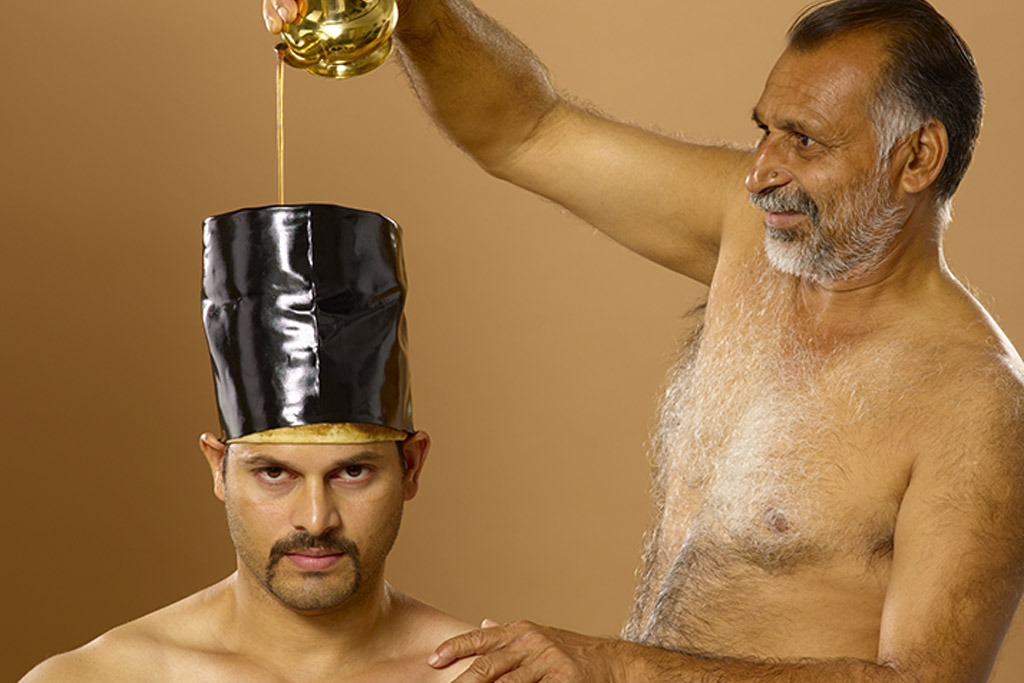
Application of a herbal paste made of gooseberry pulp and medicated butter milk, on the middle of the head in which a suitable oil is kept is called nellikkathalam.
Lepanam
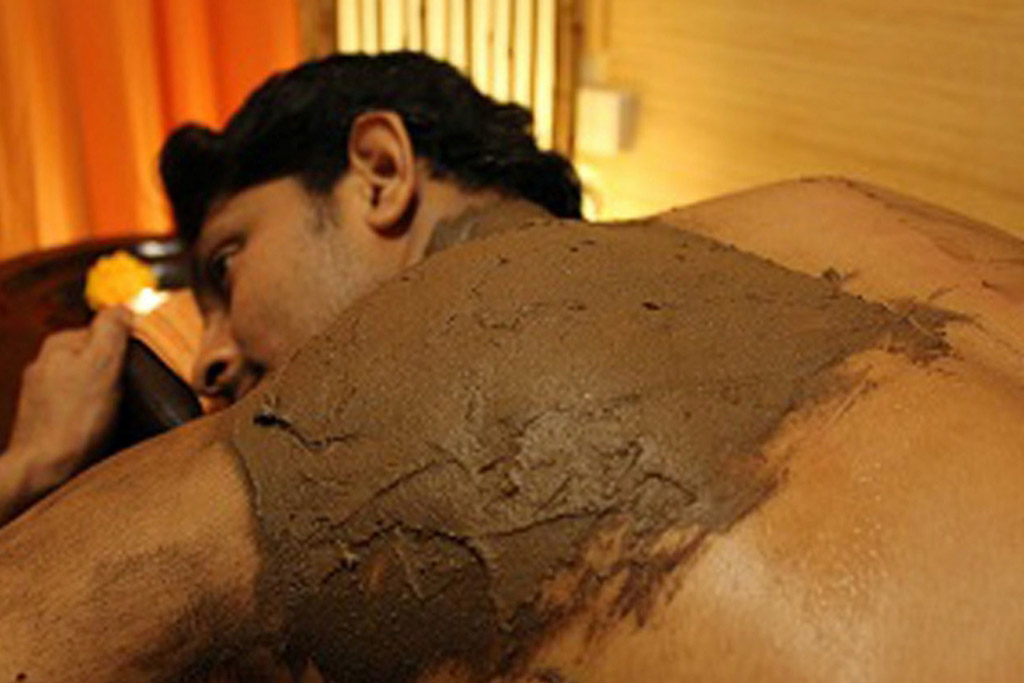
Application of a suitable herbal paste on the affected body parts is called lepanam. This can be used for many conditions according to which the herbs can be selected. This is usually done only in the day time and kept until it dries. The temperature of the paste can be warm or in room temperature accordingly.
Thalam
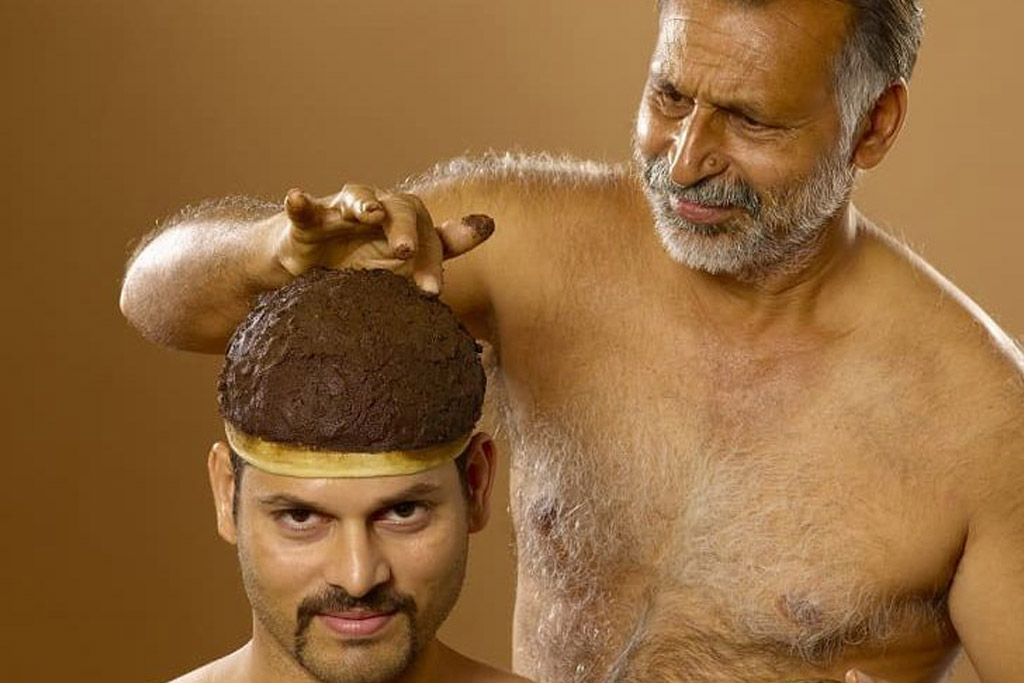
A method of oil application on the head in which the suitable oil or paste is kept on the middle of the head in smaller quantities.
Mudpack and Mineral bath
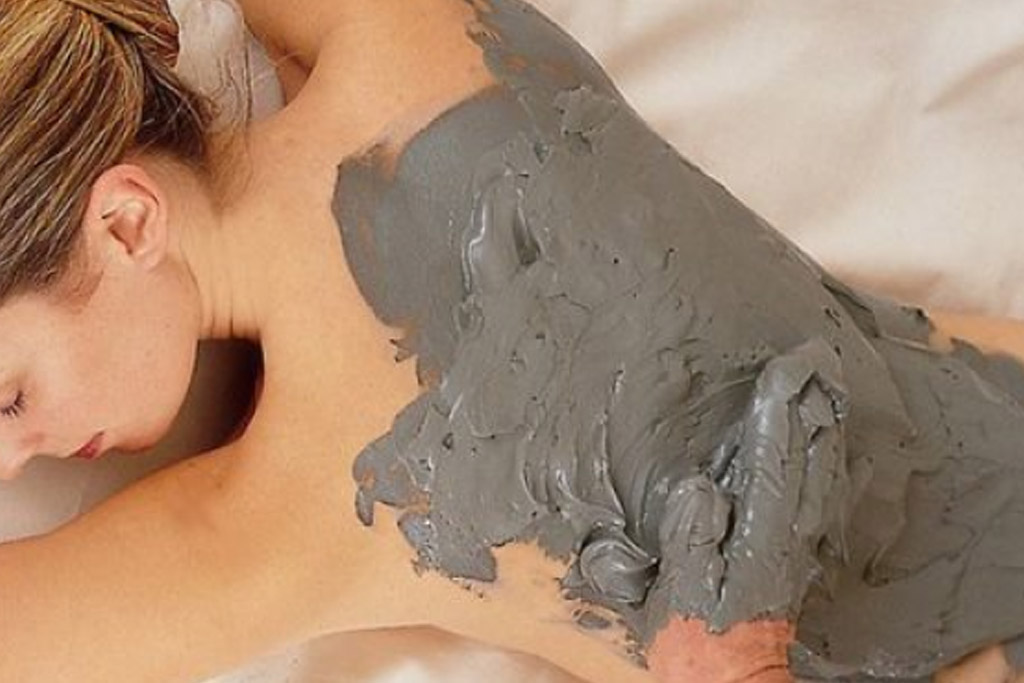
This is a method of packing the body using a mixture of termite mud, paste of neem and turmeric. In this the whole body and the scalp will be well covered by the paste and the patient has to sit in moderate sun until it dries. After drying it the patient will be taking a mineral bath in water, rich in minerals from a natural spring. This was an ancient method of diagnosis for diseases of the bones and joints.
Medicated milk bath
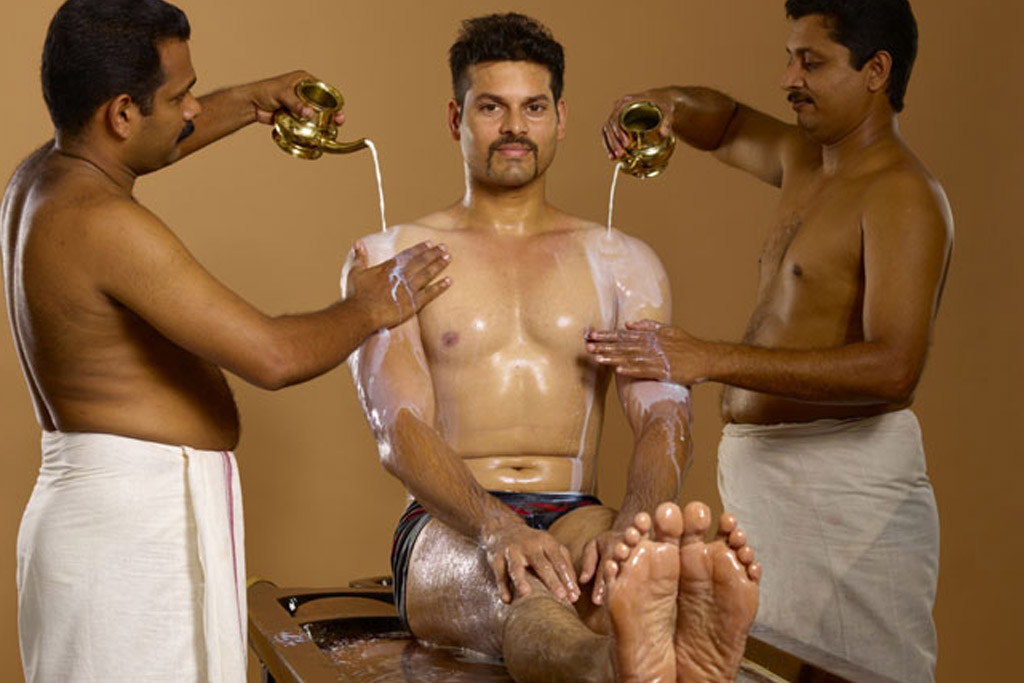
Pouring of warm medicated oil all over the body is called pizhichil. Depending on the condition of the disease the oil for pizhichil can be selected. At first suitable oil for the body and head are applied and a gentle massage is done on the body. Then the warm oil is poured all over the body from neck to feet using special earthen pots. The oil is collected and warmed to use again. After that all the oil will be wiped from the body and the patient is allowed to take rest for a few minutes and later a hot water bath is given. During this treatment the movements of the patient will be restricted in order to give maximum rest to the body and to help for the process of healing.
Vamanam
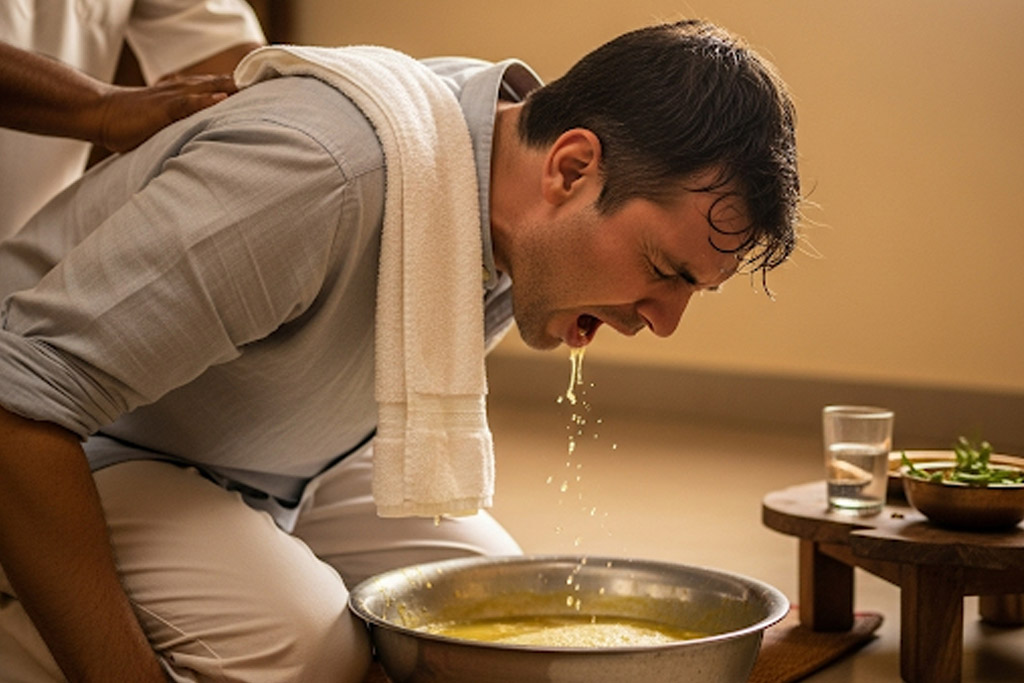
Vamanam means medically induced vomiting which clean the upper respiratory tract and upper digestive tract. This is mainly done in conditions in which kapha or doshas in relation with kapha is in imbalance. Proper preparations will be done before the procedure in which snehana and swedana are the main ones. Compared with the normal vomiting this process will clean the excessive doshas and the toxins collected in the systems. After the preparations the patient have to take the medicine in the morning- the kapha kala (the time of aggravated kapha) – between 6-10am in a medium of milk with honey and rock salt.. For this procedure the patient will be seated in comfortable chair to support his back. After the process of vomiting the person will be given some medicated fume inhalations etc. The activities and the food of the person will highly restricted on the day.
Beauty treatments
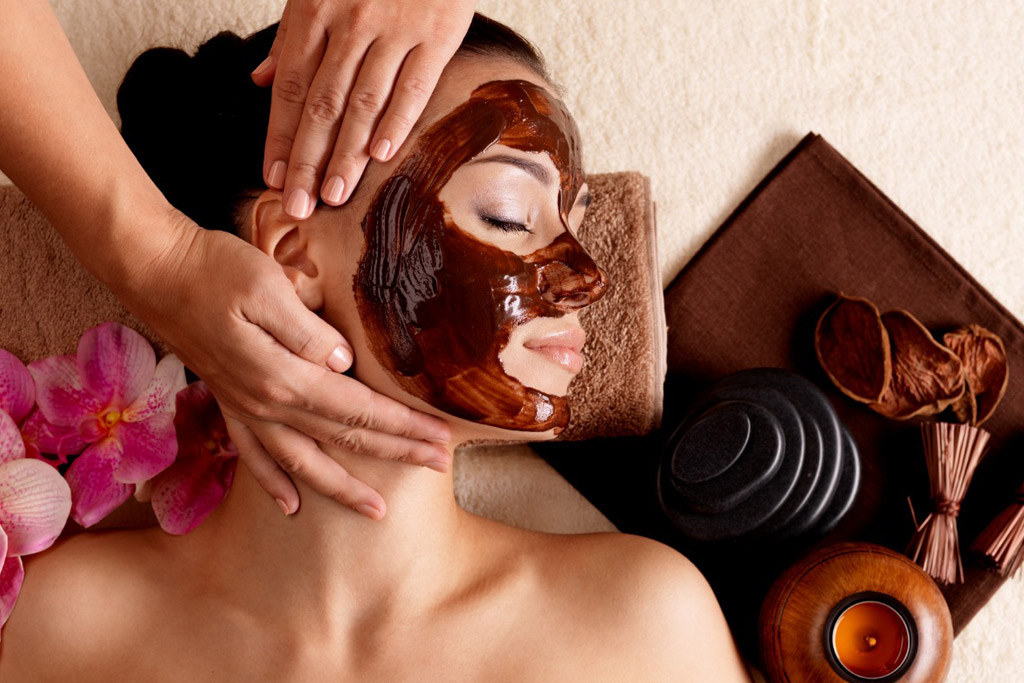
The beauty is the reflection of our mind, similarly the concept of beauty care in Ayurveda is not just the superficial glow. Along with superficial treatments for improving the skin health, Ayurvedic treatments helps in revitalizing all the body tissues and rejuvenating the body and mind.
Herbal Steam bath
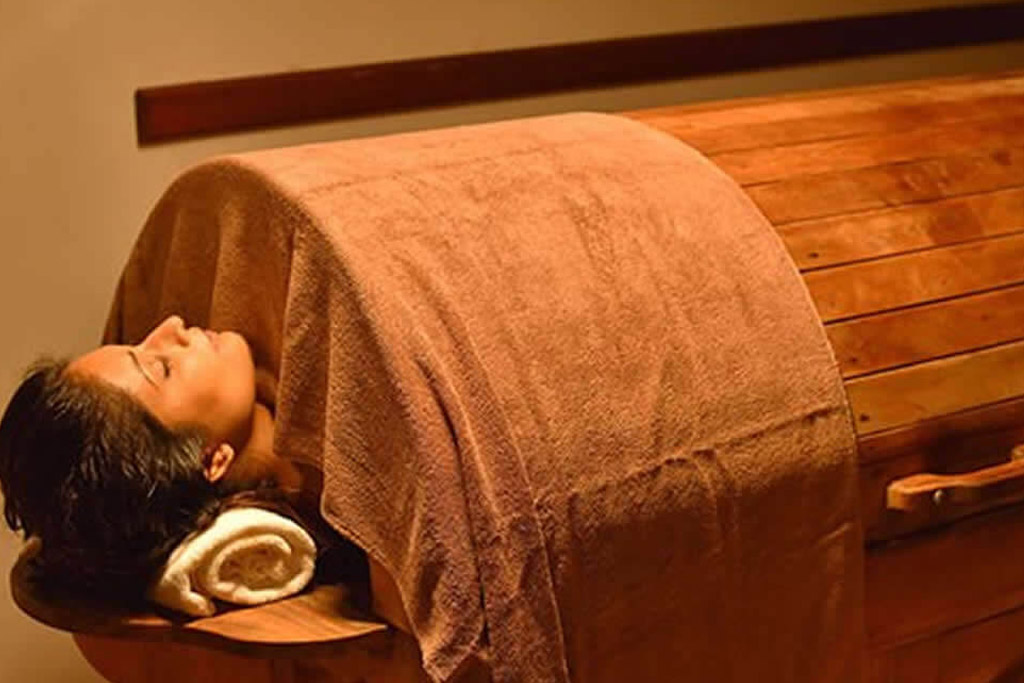
This is a method of sweating done by means of water vapor enriched with some volatile oils. This process helps to sweat the body by opening the skin pores and removing the toxins. As this is done by wet heat, it wont make the patient uncomfortable and the smell of the herbs used like Cymbopogon citratus(lemon grass) makes a fresh feeling by relieving the tiredness and body aches.
Podikizhi
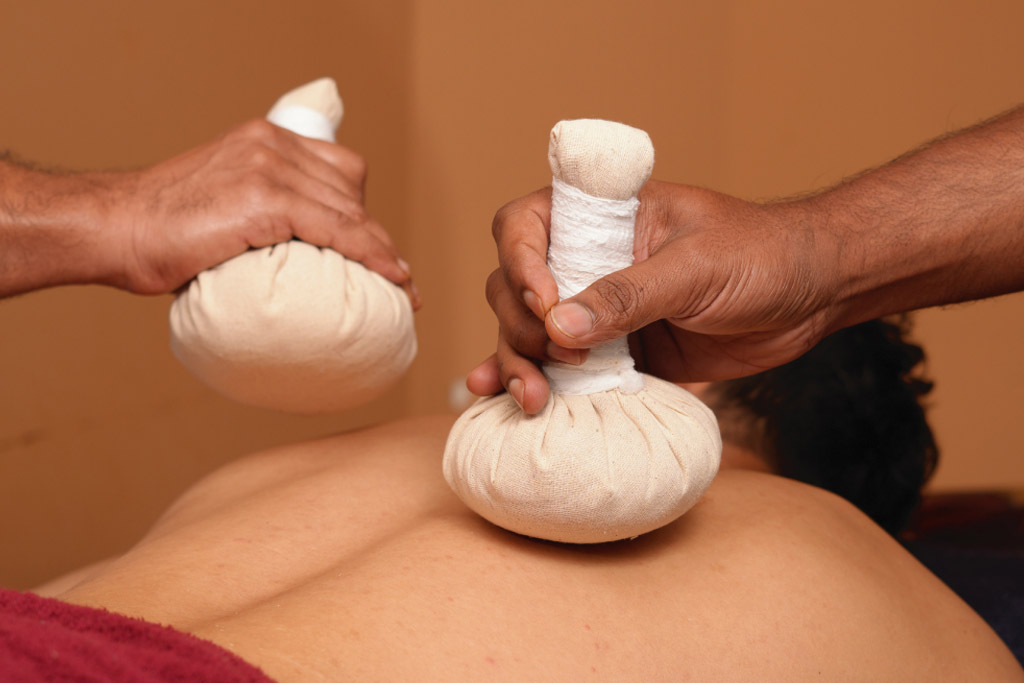
Podikizhi or choorna pinda swedam is a type of bundle massage in which the bags are filled with herbal powders. Compared to uzhichil (oil massage) this is stronger as the bundles are applied or pounded on the body. The type of powders can be different depending on the condition. The herbs are made in to coarse powder and warmed in a dry pan and tied to bags in 4 cotton cloth pieces. These are usually warmed in neem oil or castor oil through out the massage. This massage is usually done by 3 persons and for 45 minutes. After the massage the patient is allowed to take rest for a few minutes and later a hot water bath is given.
Snehapanam
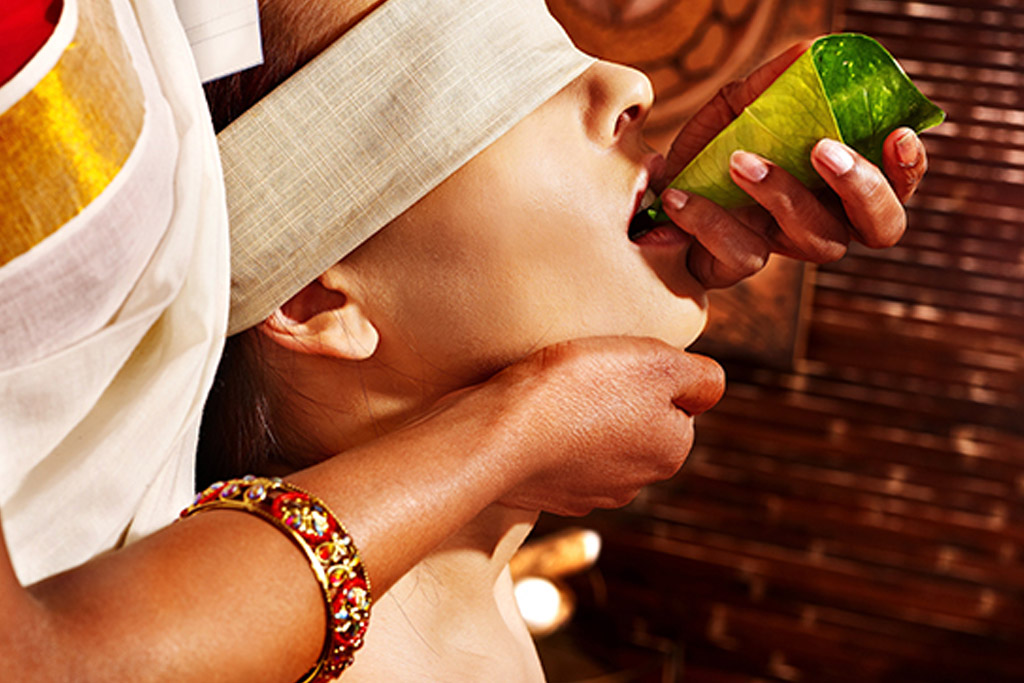
Internal administration of medicated oil or ghee in larger doses is called snehapanam. This is one of the preparations for the panchakarma therapy. The dose of the oil or ghee will be increased daily depending on the digestive capacity of the person. During this treatment the food and daily routine of the patient will be highly restricted.