Holistic Living
Holistic Living
Holistic Living:
A Guide to Optimal Health and Wellness
We explore the various aspects of Ayurveda and provide insights into how you might adopt itsprinciples to achieve and sustain solid health. Ayurveda offers much to individuals looking forbroad well-being, from preventive care to revitalizing activities and healing.
Holistic Living:
A Guide to Optimal Health and Wellness
We explore the various aspects of Ayurveda and provide insights into how you might adopt itsprinciples to achieve and sustain solid health. Ayurveda offers much to individuals looking forbroad well-being, from preventive care to revitalizing activities and healing.
What is holistic living?
Holistic living is a way of approaching life that takes into account all aspects of our being -physical, mental, emotional, and spiritual. It is about creating a balance in all areas of our lives so that we can achieve optimal health and well-being. Beyond this Ayurveda also advocates the importance of living in harmony with the nature. The well-being of the nature and other living things around us should also be heal and hale.
What is holistic living?
Holistic living is a way of approaching life that takes into account all aspects of our being -physical, mental, emotional, and spiritual. It is about creating a balance in all areas of our lives so that we can achieve optimal health and well-being. Beyond this Ayurveda also advocates the importance of living in harmony with the nature. The well-being of the nature and other living things around us should also be heal and hale.

The importance of balance in Ayurveda
Ayurveda is an ancient Indian system of medicine that emphasizes the importance of balance in all aspects of life. Ayurveda teaches that there are three main energies, or doshas, that govern the body: vata, pitta, and kapha. Each person has a unique dosha constitution, and when the doshas are balanced, we are healthy. However, when the doshas become imbalanced, diseasecan occur. To know your individual body constitution which is known as ‘prakriti’, schedule an appointment with our doctors.
The importance of balance in Ayurveda
Ayurveda is an ancient Indian system of medicine that emphasizes the importance of balance in all aspects of life. Ayurveda teaches that there are three main energies, or doshas, that govern the body: vata, pitta, and kapha. Each person has a unique dosha constitution, and when the doshas are balanced, we are healthy. However, when the doshas become imbalanced, diseasecan occur. To know your individual body constitution which is known as ‘prakriti’, schedule an appointment with our doctors

Diet for holistic living
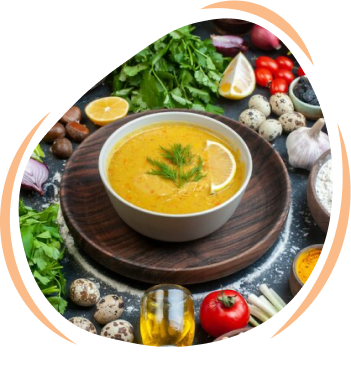
One of the most important aspects of holistic living in Ayurveda is to eat a healthy diet. Ayurvedic diet is based on the principle of eating fresh, whole foods that are appropriate for your dosha constitution. Sattvic foods are considered to be the best for holistic living, as they are pure, nutritious, and promote clarity of mind. Examples of sattvic foods include fresh fruits, vegetables, whole grains, legumes, nuts, and seeds. Your individual diet is also dependent on your individual body constitution.
Diet for holistic living
One of the most important aspects of holistic living in Ayurveda is to eat a healthy diet. Ayurvedic diet is based on the principle of eating fresh, whole foods that are appropriate for your dosha constitution. Sattvic foods are considered to be the best for holistic living, as they are pure, nutritious, and promote clarity of mind. Examples of sattvic foods include fresh fruits, vegetables, whole grains, legumes, nuts, and seeds. Your individual diet is also dependent on your individual body constitution.

Yoga, pranayama and Exercise for holistic living
Another important aspect of holistic living in Ayurveda is to get regular exercise. However, it is important to choose exercises that are appropriate for your dosha constitution. For example, vata people should avoid vigorous exercise, while pitta people should avoid too much heat or exertion. Kapha people can benefit from moderate exercise that helps to stimulate digestion and circulation.
Yoga and pranayama are also important practices for holistic living in Ayurveda. Yoga helps to bring the body and mind into balance, while pranayama helps to regulate the breath and nervous system.
Yoga, pranayama and Exercise for holistic living
Another important aspect of holistic living in Ayurveda is to get regular exercise. However, it is important to choose exercises that are appropriate for your dosha constitution. For example, vata people should avoid vigorous exercise, while pitta people should avoid too much heat or exertion. Kapha people can benefit from moderate exercise that helps to stimulate digestion and circulation.
Yoga and pranayama are also important practices for holistic living in Ayurveda. Yoga helps to bring the body and mind into balance, while pranayama helps to regulate the breath and nervous system.

Holistic Living & Mental Health
Forging harmony and peace through Ayurveda. Learn how a holistic lifestyle may support your mental health. Ayurvedic techniques encourage emotional harmony, mental calmness, and control over emotions.Sleep and stress management are essential for holistic living. Adults should aim for 7-8 hours of sleep each night. Stress can disrupt the balance of the doshas and lead to disease, so it is important to find healthy ways to manage stress. Some Ayurvedic stress-management techniques include meditation, yoga, spending time in nature, and listening to calming music.
Ayurveda: A Holistic Lifestyle Guide
Ayurveda can be your Holistic Guide to Health and Well-being with Ayurveda.
In addition to the above, classical Ayurveda also teaches that other factors such as our environment, social interactions, and spiritual practices can all impact our overall health and well-being. Therefore, it is important to strive to create a balanced and harmonious life in all areas.
To learn to align your daily routines with the seasons and your unique constitution and discoverthe transformative power of diet, yoga, and practices for your overall well-being.

Holistic Living & Mental Health
Ayurveda can be your Holistic Guide to Health and Well-being with Ayurveda.
In addition to the above, classical Ayurveda also teaches that other factors such as our environment, social interactions, and spiritual practices can all impact our overall health and well-being. Therefore, it is important to strive to create a balanced and harmonious life in all areas.
To learn to align your daily routines with the seasons and your unique constitution and discover the transformative power of diet, yoga, and practices for your overall well-being.

Ayurveda: A Holistic Lifestyle Guide
Ayurveda can be your Holistic Guide to Health and Well-being with Ayurveda.
In addition to the above, classical Ayurveda also teaches that other factors such as our environment, social interactions, and spiritual practices can all impact our overall health and well-being. Therefore, it is important to strive to create a balanced and harmonious life in all areas.
To learn to align your daily routines with the seasons and your unique constitution and discover the transformative power of diet, yoga, and practices for your overall well-being.